
History: From Activism to Legislation: The Foundations of Victoria’s Anti-Discrimination Laws
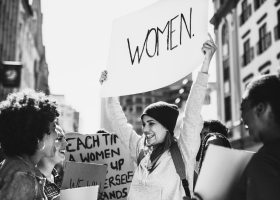
Recently released Cabinet-in-Confidence records from 1982–1992 provide insight into Victoria’s journey toward stronger anti-discrimination laws and the grassroots movements that helped bring them about.
Victoria’s path to the Equal Opportunity Act 1977 was the result of decades of political debate, community advocacy and shifting social attitudes. The legislation, which outlawed discrimination on the basis of sex and marital status, marked a major milestone in the State’s efforts to address inequality. Its development was strongly influenced by community campaigns throughout the 1970s, particularly from women’s organisations determined to challenge entrenched discrimination.
Activism Driving Legislative Change
During the 1970s, inequality was widely embedded in everyday life. Job advertisements were commonly separated by gender, married women were often excluded from employment opportunities, and single women could face barriers in securing loans or tenancy agreements. As these inequities became increasingly visible, women’s groups began mobilising to push for reform.
One of the most influential organisations was the Women’s Electoral Lobby (WEL). Through detailed surveys, policy research and advocacy, WEL helped document the extent of discrimination across Victoria. Their evidence-based approach brought these issues into mainstream political discussion and influenced the design of new legal protections.
Importantly, activists argued that legislation alone would not be sufficient. They advocated for an independent body to oversee enforcement and complaints, an idea that helped shape the creation of the Equal Opportunity Commission.
A Landmark Case for Workplace Equality
The impact of the Equal Opportunity Act was tested soon after its introduction through a landmark case involving Deborah Lawrie. Despite being more qualified than several male applicants, Lawrie was refused entry to Ansett’s pilot training program.
The airline defended its decision using arguments that today appear extraordinary, suggesting that women were medically unfit to fly at certain times or that facilities such as women’s toilets were not available near training simulators.
Lawrie challenged the decision through the Equal Opportunity Board. After a series of appeals, the High Court ruled in March 1980 that the airline’s actions were unlawful, establishing an important precedent for workplace discrimination cases. The decision enabled Lawrie to pursue her aviation career and signalled that the new legislation had real power.
Today, Lawrie is recognised as one of the world’s most experienced female airline pilots. Reflecting on the case decades later, she noted that she did not fully appreciate its significance at the time, but its impact continues to resonate.
Continuing the Push for Equality
Throughout the 1980s, the Victorian Government introduced further initiatives aimed at addressing long-standing gender inequality. These included programs encouraging girls to study science and mathematics, measures to outlaw sexual harassment, and additional support services for migrant women.
Despite these reforms, official records from the period acknowledged that change would take time. Women were increasingly entering the workforce but remained concentrated in lower-paid roles with limited career advancement opportunities. At the time, Victoria’s gender pay gap was around 23 percent.
Progress has been made in the decades since, though challenges remain. The gender pay gap in Australia today is still around 11 percent, demonstrating that the work of achieving equality continues.
Reflecting on International Women’s Day
The recently released Cabinet records provide a valuable reminder that many of today’s workplace rights and protections were hard fought. Activists, advocates and early legal pioneers helped lay the foundations for a more inclusive society.
As we mark International Women’s Day, their efforts highlight the importance of strong legislation, accountable institutions and ongoing advocacy in advancing equality for future generations.